Get savvy about slumbering
How loudly (in decibels) do most people snore?
Human snoring sounds range from 50 to 100 decibels - to give that some context, the sound of breathing is 10 dB, a quiet conversation at home is 50 dB, a vacuum cleaner is 70 dB and things at the 100 dB mark are pneumatic drills and motorcycles!
Do animals dream?
Since research tells us that humans dream during the REM (Rapid Eye Movement) stage of sleep, it stands to reason that animals who experience REM sleep (most warm-blooded mammals and birds) might dream too. But so far, no one has been able to prove that.
The less sleep you get, the more pain you can stand.
It’s the other way around - if you’re sleep-deprived then you’re more likely to feel pain and won’t be able to stand that pain for as long. Although researchers aren’t quite sure why, they know that lack of sleep disrupts the body’s pain-signaling system.
How many hours a day do koalas sleep for?
Eucalyptus leaves are the favourite snack of the koalas and they’re very low in nutrition and high in fibre, so they take a huge amount of energy to digest. Sleeping for long periods helps the koalas conserve their energy.
What does the Guinness World Records book say is the longest time someone has gone without sleep?
In 1964 Randy Gardner, a high school student in California, stayed awake for 264.4 hours (11 days and 24 minutes), kept company by a few friends, a doctor and a sleep researcher from Stanford university.
How much sleep do giraffes need?
Able to survive on just 20 minutes a night if they need to, giraffes have one of the shortest sleep requirements of any mammal.
What percentage of people in the UK sleep walk?
The National Sleep Foundation estimate that up to 15% of the population are sleepwalkers and say it’s a disorder that’s more likely to affect children than adults.
How much sleep do new parents lose in their baby’s first year?
Thanks to most babies’ seemingly endless cycles of crying, feeding and nappy-changing, most parents of newborns miss out on between 400 and 750 hours of sleep in their child’s first year - that’s the equivalent of between 50 and 93 normal nights’ sleep!
50% of a dolphin’s brain is always awake.
Unlike humans, dolphins have to stay conscious in order to keep breathing - so they only allow one half of their brains to sleep at a time, leaving the other half awake and alert to make sure they breathe and to watch out for predators.
Bits of our brain can fall asleep even when we think we’re totally awake.
It’s called ‘local sleep’ and it’s when small groups of nerve cells in the same location in your brain nod off because they’re not needed for whatever task you’re currently doing. It isn’t very common, but can happen if you’re very sleep-deprived.
All-nighters: studying dream or body-destroying nightmare?
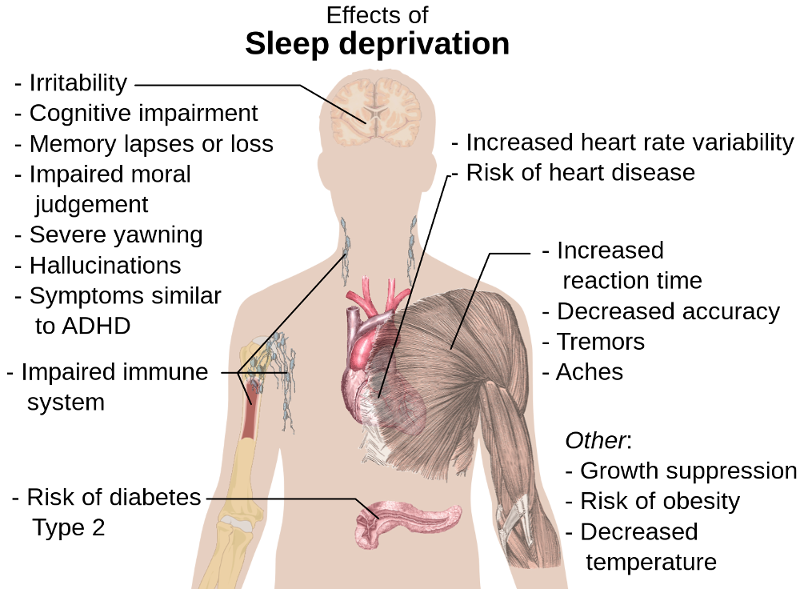
Embarking on a nocturnal study marathon is super tempting, especially right before exams. Unfortunately, our bodies hate it and our brains rebel against it. But what exactly happens? Well, here are just a few ways in which our bodies stage their silent sleepy protest when we pull an all-nighter...
Cramnesia attacks
There’s a bit of our brains called the hippocampus and its job is to replay all the stuff we’ve learned while we’re awake, which makes it all seep into our long-term memory. So no zeds, no recall. Simple as that.
The Hippocampus region
On top of that, sleep makes us produce a chemical compound called Adenosine Triphosphate (ATP to its friends), which serves as the primary energy currency of the cell and produces energy in whichever part of our body that it is needed. But if we don’t sleep then we don’t make ATP - and if we don’t have enough ATP, the brain, which has high energy requirements, can't function properly. Worse still, you probably won’t even be able to get yourself sorted out because you won’t realise you’re not getting enough energy - the lack of ATP also affects your prefrontal cortex, which is the bit of the brain that helps you make good decisions and generally know what’s going on.
If that wasn’t enough, your brain also starts acting drunk if you don’t sleep enough. A study at the University of Poland revealed that staying awake for 20-25 hours has about the same effect as having a blood alcohol concentration of 0.10%. This level is over the legal limit in the UK. Which basically means a fun combination of blurred vision, numbness and rubbish reflexes. Not ideal conditions for learning important stuff.
All-nighters are not the cortisol-ution
If you stay awake all night, your levels of a hormone called Cortisol go up. Cortisol’s job is to regulate lots of the things your body does, including your memory function. However, it’s also known as the stress hormone, as you make more of it when you’re anxious. So, in the short term, it’s exactly what you’re after - a temporary increase in energy levels, better concentration and more alertness. What’s not to like? Well, the bad news is that it also causes havoc for your blood sugar levels and your blood pressure – and if you go without sleep for a long time, higher levels of Cortisol can bring a whole host of long-term bad stuff, including strokes, heart disease and depression.
While your Cortisol levels go up when you’re sleep-deprived, the number of immunity-boosting T-cells in your body go down. And to add insult to immune-system injury, we start to produce more inflammatory proteins (known to biochemists as Cytokines). Add these together and you’re a sitting duck for the common cold - and the more all-nighters you pull, the worse it gets. And one ever does their best in school lessons, essay-writing and exams when they’re sniffly and sick.
Even partial sleep deprivation causes havoc with your hormone production, and none so much as the gremlin Ghrelin which triggers hunger pangs. Your cramming craving won’t be for carrot sticks either - studies show you’re more likely to hanker after starchy high sugar and high-fat goodies. So now you’re tired, stressed, cranky, hungry, rocketing from sugar lows to highs and getting heavier and unhealthier in the process! Really not great study conditions.
Medical gallery of Mikael Häggström 2014
At the end of the day, sleep deprivation is a recognised method of torture! So whilst the occasional all-night study session is inevitable if you make them the rule rather than the exception it could spell disaster for your future success.
The magical power of sleep: 4 ways it helps your body
-
Although our bodies are very still when we’re sleeping, there’s a whole hive of activity going on inside. For example, sleep is when our endocrine system - which makes hormones that control things like our metabolism and our mood - has its big moment. While we’re asleep, it increases production of the hormone Prolactin, which is vital for a healthy immune system. People who don’t get enough sleep have a much higher risk of suffering from things like diabetes, heart disease, depression, or even cancer because their bodies haven’t had the chance to produce enough prolactin to keep them healthy.
-
When you’re in the deepest cycle of sleep, your muscles are super relaxed - so more blood can flow into them and help the muscle tissue as it grows and repairs itself. This is also the phase of sleep where Somatotropin (the human growth hormone) is released and its job is cell reproduction and regeneration, so it’s pretty important in helping you grow and develop both physically and mentally.
-
When you make a new memory - when something happens to you, or when you learn a new skill or piece of information - that memory is quite vulnerable at first. In order for it to really stick it needs to be strengthened and solidified - it’s called ‘memory consolidation’. And it’s when we’re asleep that this happens most effectively. Sleep sparks changes in the brain that solidify memories, strengthening connections between brain cells and transferring information from one brain region to another to find the best place for memory storage.
-
You’ve got two main hormones in your body that help regulate your eating habits: Leptin and Ghrelin. Leptin tells your brain when you're full, so it knows to start burning up everything you’ve just eaten and turn the calories into energy, and ghrelin tells your brain when you need to eat and also when to stop burning calories and store energy as fat for your body to use later on. When you sleep, your leptin levels go up and your ghrelin levels go down - your body knows you have plenty of energy (as sleeping doesn’t require much!) so there's no need to trigger feelings of hunger. But when you don’t get enough sleep you get too much Ghrelin and not enough Leptin, which makes your brain think you don't have enough energy and you need to eat something. So not only do you pick up food that your body doesn’t really need, but all the calories get stored as fat instead of burnt!
6 strange superstar sleepers
-
Stefani Germanotta (Lady Gaga to us) is known for her slightly eccentric behaviour, like back in 2011 when she arrived at the Grammy Awards inside a giant egg which she then used for the performance of her hit single ‘Born This Way’. As if that wasn’t weird enough, it turns out she felt so at home inside the egg she then slept inside it for three nights.
-
Running England during World War Two, guiding the nation to victory alongside the allies and writing some of the most famous speeches in history was a fairly time-consuming job. So, with the help of a little whisky and soda, Churchill would nap for two hours every afternoon, allowing him to stay up and keep working all through the night. He did this almost every day he was in office (a total of 9 years, since he was Prime Minister twice) which means it’s a pretty big miracle he ended up living to be 90!
-
As the most decorated Olympian of all time, it’s no wonder Phelps goes further than most people to keep up his physical fitness. He sleeps every night inside a special chamber that simulates high-altitude atmospheric conditions because the lower levels of oxygen make his body work extra hard and that builds his endurance. Basically, he’s so hardcore he even trains in his sleep!
-
The master of surreal art was not a big fan of sleep. He thought it was a total waste of time and actually developed his own technique to make sure his body was never able to go into standby for more than a few minutes at a time. When having a rest he would sit with a key in his hand and place a metal plate on the floor, directly beneath his hand. As he started to nod off the key would fall from his fingers and clatter onto the plate, jolting Dali awake again. That strange melty clock is starting to make more sense now.
-
The sultan of the stepover has adopted a ‘polyphasic’ approach to sleep - which means instead of slumbering for the whole night like the rest of us do, he gets his Zzzzz’s in 90-minute naps throughout the day. This helps get around awkward match kick-off times and inevitable post-game adrenaline spikes that are common for top players. it also makes it easier for coaches to monitor and adapt Ronaldo’s sleep routine to make sure he’s always refreshed and match-ready.
-
Turns out the Real Slim Shady needs more than just shades on his windows to help him nod off. Mr Mathers needs total darkness to sleep and goes beyond black-out blinds, insisting that his windows are covered in tinfoil. Plus he finds it hard to sleep without white noise blaring through the TV and extra speakers in the room.
Is sleeping more important than studying?
When you sleep, this the time when your DNA is repaired and your body replenishes itself for the next day. While we’re asleep, the body increases production of the hormone, Prolactin, which is vital for a healthy immune system. Research has shown that repeatedly missing out on sleep, can lead to high blood pressure, poor mental health and can even increase the risk of certain diseases as the body hasn’t had the chance to produce enough prolactin to keep it healthy. Sleep deprivation has also been linked to obesity and in turn, Diabetes. This is because when you repeatedly lack sleep your hormones can become imbalanced which makes your brain think you don't have enough energy and you need to eat something. And so not only do you pick up food that your body doesn’t really need, but all the calories get stored as fat instead of burnt.
If you lose a little bit of sleep here and there, think of what else you can fit into your day. Especially when revising for an important exam, surely every moment counts, right?
Sleep makes us produce a chemical compound called Adenosine Triphosphate (ATP to its friends), which serves as the primary energy currency of a cell and produces energy in whichever part of our body needs it. But if we don’t sleep then we don’t make ATP - and if we don’t have enough ATP, the brain, which has high energy requirements, can't function properly. Worse still, you won’t even realise you’re not getting enough energy - the lack of ATP also affects your prefrontal cortex, which is the bit of the brain that helps you make good decisions and generally know what’s going on. In general, losing shuteye makes learning a lot more challenging when studying is already tough as it is.
Research tells us that getting enough sleep is crucial for good health, and we know that studying can help us achieve what we want to achieve. And so maybe it's less about what’s more important but rather a matter of trying to maximise time for both in our busy lives. The Teensleep project based at the University of Oxford has been trying to educate people about how to create the best conditions for a good night’s sleep (allow time to wind down at the end of a day, avoid bright lights etc.). It’s also been speaking with schools about the ideal school day timings to help students learn when they are at their most alert and engaged. Do you think you would learn better if your school day started later?